
Before we say a single word, our appearance begins communicating with the world. The colors we wear, especially in clothing close to our face such as tops, silently shape how people perceive us. Whether we are heading to work, meeting friends, attending an event, or even going on a date, our outfit sends subtle signals that influence first impressions.
Color is not simply about style or fashion trends. It is deeply connected with psychology, culture, and human perception. Certain shades can make someone appear confident, trustworthy, creative, or approachable. This means that the colors in your wardrobe can become powerful tools for self-expression.
Western women’s fashion offers a wide range of colors and styles, making tops one of the most versatile clothing items. From classic black blouses to vibrant red tops or calm blue shirts, each color has the ability to influence how others interpret your personality and mood.
In this article, we explore the fascinating psychology behind clothing colors and how the color of a simple top can shape first impressions even before a conversation begins.
Why Color Plays Such a Powerful Role in First Impressions
When people see you for the first time, their brain begins processing visual information almost instantly. Within seconds, they form an initial impression about your personality, confidence level, and even your professionalism.
Color is one of the fastest elements the brain recognizes. Our minds are trained through experience and culture to associate certain emotions and meanings with specific shades. Over time these associations become automatic.
For example, darker colors are often linked with authority and sophistication, while lighter colors feel calm and approachable. Bright colors tend to attract attention and energy, while neutral shades appear balanced and reliable.
These psychological responses happen quickly and often unconsciously. This is why the color of your clothing can influence how people feel about you before you even start speaking.
Understanding these color signals allows you to make smarter wardrobe choices and create a style that reflects your personality and goals.
The Emotional Language of Color in Fashion
Every color carries emotional weight. When you wear a particular shade, you are not just selecting a piece of fabric — you are choosing the mood and message you want to express.
Some colors energize people and attract attention. Others calm the mind and create a feeling of trust or comfort.
Fashion becomes more meaningful when we recognize that clothing is a form of silent communication. The colors we wear interact with human emotions, cultural traditions, and even environmental factors like lighting and surroundings.
By choosing colors thoughtfully, you can enhance both your personal confidence and the way others experience your presence.
Red Tops: The Color of Confidence and Bold Expression
Red is one of the most striking colors in fashion. It naturally captures attention and creates a strong visual impact. People wearing red often appear confident, energetic, and bold.
This powerful shade is associated with passion, determination, and leadership. When someone enters a room wearing a red top, it is almost impossible not to notice them.
Because of its intensity, red is often used when someone wants to stand out. It works well for social events, presentations, or situations where confidence is important.
However, different shades of red can communicate slightly different emotions. A deep burgundy tone feels elegant and mature, while bright red appears more vibrant and energetic.
When styled thoughtfully, a red top can transform a simple outfit into a statement look that expresses strength and personality.
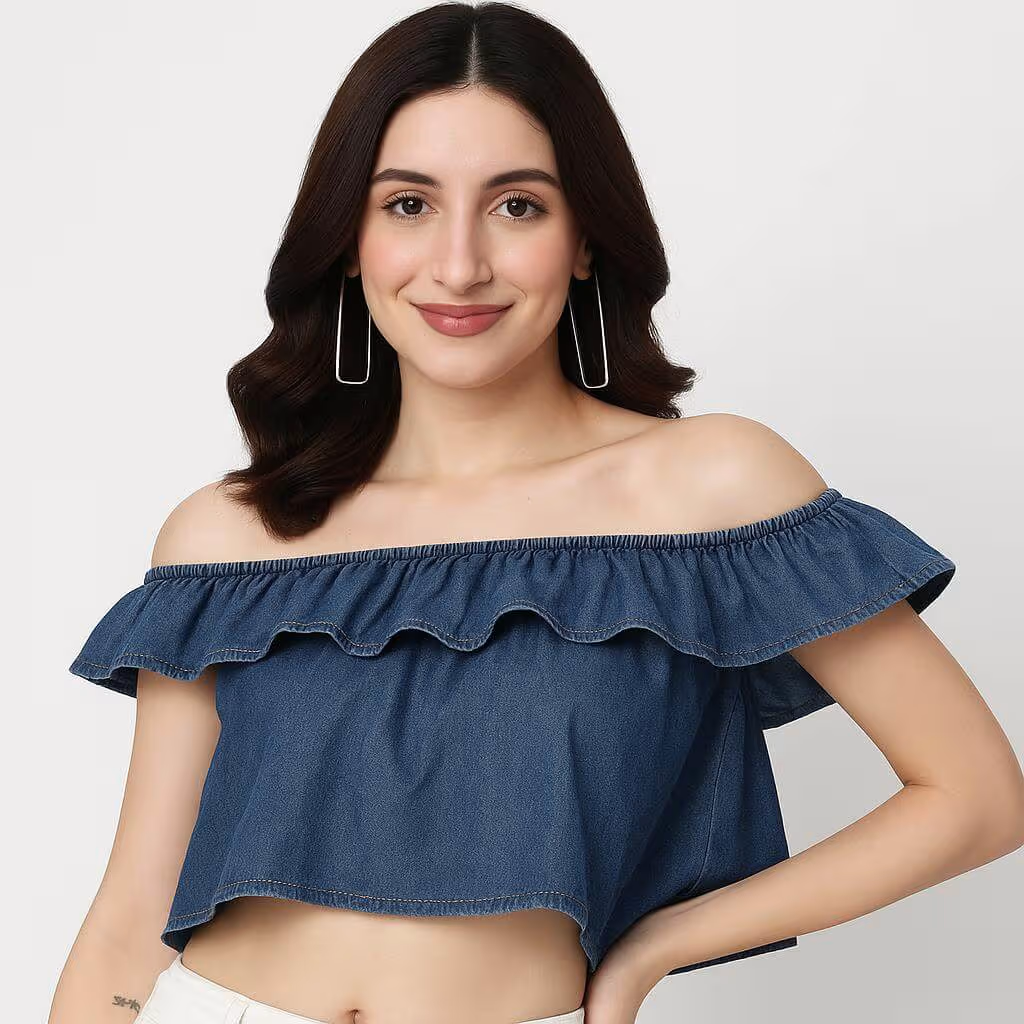
Blue Tops: A Symbol of Trust and Calm
Blue is widely considered one of the most reliable and universally appreciated colors. It represents calmness, intelligence, and stability.
In western fashion, blue tops are often chosen for professional or semi-formal settings because they create a sense of trust and credibility. Many workplaces encourage blue clothing because it appears balanced and composed.
Lighter shades of blue feel fresh and approachable. They work well for casual meetings, everyday outfits, and relaxed environments.
Darker shades like navy blue convey professionalism and confidence. They are frequently worn during interviews, business meetings, or formal gatherings.
The calming effect of blue also helps people feel comfortable during conversations. Because of this, blue clothing often creates a friendly and cooperative atmosphere.
Black Tops: Timeless Elegance and Authority
Black has long been a symbol of sophistication in western fashion. A black top can instantly make an outfit look elegant, polished, and refined.
One of the reasons black remains so popular is its versatility. It works well for both formal occasions and casual outfits depending on how it is styled.
Black also creates a strong visual structure that many people find flattering. The color tends to create clean lines and balanced silhouettes.
In professional settings, black clothing can communicate authority and confidence. It often gives the impression that the wearer is serious, focused, and capable.
At the same time, black carries a sense of mystery and depth. This subtle intrigue is part of what makes the color so appealing in evening fashion and social events.
White Tops: Freshness and Simplicity
White clothing is often associated with clarity, purity, and simplicity. A crisp white top can create a bright and refreshing appearance that feels clean and modern.
Because white reflects light, it often highlights facial features and makes the overall outfit look vibrant. Many people choose white clothing during warm seasons because it feels light and airy.
White also communicates openness and honesty. In professional environments, a white blouse can make someone appear organized and trustworthy.
Another advantage of white tops is their versatility. They pair effortlessly with almost any color, allowing endless outfit combinations.
Whether worn with jeans, skirts, or formal trousers, a white top creates a timeless and polished look.
Green Tops: Balance, Growth, and Harmony
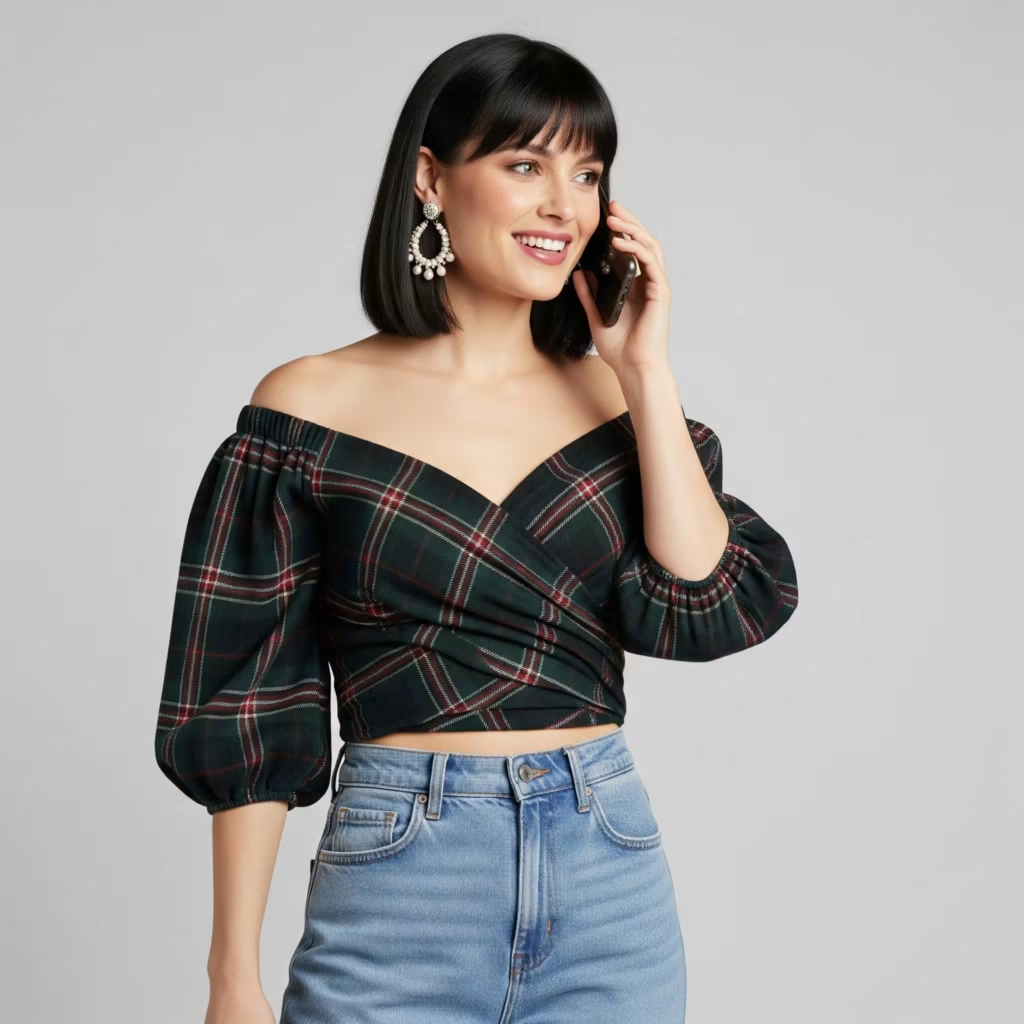
Green is strongly connected with nature and renewal. It represents balance, growth, and a sense of calm.
Wearing green often creates the impression that someone is approachable and relaxed. The color naturally feels soothing because it reminds us of forests, gardens, and natural landscapes.
Darker shades of green such as emerald or forest green add richness and elegance to an outfit. These tones often feel luxurious and sophisticated.
Lighter greens bring freshness and vitality to casual outfits. They are especially popular in spring and summer fashion.
Because green sits between warm and cool tones, it can create a balanced and harmonious look that feels both stylish and comfortable.
Bright Colors: Energy, Creativity, and Playfulness
Bright colors such as yellow, orange, and coral bring a sense of excitement to fashion. These colors are often associated with positivity, creativity, and enthusiasm.
Yellow is frequently linked with happiness and optimism. Wearing a yellow top can instantly brighten an outfit and create a cheerful impression.
Orange represents creativity and energy. It stands out without being as intense as red, making it a playful yet stylish choice.
These colors are often chosen for casual settings, social gatherings, or summer wardrobes where vibrant fashion feels natural.
When styled with neutral pieces, bright colors can add personality and life to an otherwise simple outfit.
How Clothing Colors Affect Your Own Mood
The psychology of color does not only influence how others perceive us. It also affects how we feel about ourselves.
Certain colors can boost confidence, increase motivation, or create a sense of calm. For example, bright shades may energize you for social events, while soft tones may help you feel relaxed during everyday activities.
When you wear colors that match your mood or intentions, you often feel more comfortable and confident. This emotional connection between clothing and mood is one of the reasons fashion can feel empowering.
Choosing colors intentionally allows your wardrobe to support both your personal style and your emotional well-being.
Choosing Colors for Different Occasions
Different situations often call for different color choices.
Professional environments usually favor neutral or calm shades that appear polished and trustworthy.
Social gatherings allow for brighter colors that express personality and creativity.
Evening events often feature deeper tones that feel elegant under softer lighting.
While fashion has no strict rules, understanding color psychology can help you select outfits that feel appropriate and expressive for each moment.
Fashion as a Silent Form of Communication
Clothing has always been a powerful form of non-verbal communication. The colors you choose reveal small hints about your mood, personality, and confidence.
Without speaking, your outfit can express creativity, professionalism, warmth, or elegance.
By paying attention to color choices, you gain more control over the message your style sends to the world.
Final Thoughts
The colors in western women’s tops are far more meaningful than they may appear at first glance. Each shade carries emotional signals that influence perception, mood, and interaction.
From bold reds that express confidence to calming blues that build trust, color becomes a silent language within fashion.
Understanding this psychology allows you to use clothing not only as decoration but also as a thoughtful form of self-expression.
The next time you choose a top from your wardrobe, remember that its color may already be communicating something about you. With the right choice, your outfit can express confidence, creativity, and personality before you even say hello.